

Intermodal Containers
Add a review FollowOverview
-
Founded Date April 10, 1953
-
Sectors Construction / Infrastructure
-
Posted Jobs 0
-
Viewed 30
-
About company

Company Description
Five Killer Quora Answers On Shipping Container Depot
Understanding Shipping Container Depots: The Backbone of Modern Logistics
As global trade continues to expand, the importance of efficient shipping and logistics has actually grown tremendously. Amongst the myriad components that comprise this complex network, shipping container depots play a critical role. These facilities are essential for the storage, repair, and management of shipping containers, working as centers that enhance the circulation of goods throughout international borders. This article explores what shipping container depots are, their functions, benefits, and obstacles, while providing a detailed overview of their significance in the supply chain.
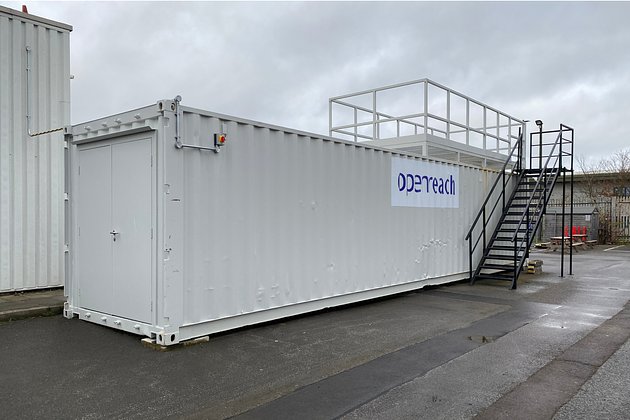
What is a Shipping Container Depot?
A shipping container depot is a facility designed to manage the consumption, storage, upkeep, and dispatch of shipping containers. Stimulating pictures of huge outdoor spaces filled with colorful containers, depots are essential in helping with the efficient motion of goods and supporting the global maritime logistics market.
Functions of Shipping Container Depots
| Function | Description |
|---|---|
| Storage | Supplies a protected location for unused shipping containers awaiting implementation. |
| Repair work and Maintenance | Deals services to repair damaged containers, ensuring they meet security and compliance requirements. |
| Container Management | Handles the inventory and motion of containers, consisting of tracking and maintenance schedules. |
| Transportation Services | Collaborates the transport of containers to and from shipping ports and other transportation hubs. |
| Customs and Inspection Services | Collaborates with customizeds authorities to help with the assessment and clearance of containers. |
Importance of Shipping Container Depots
Shipping container depots not just make it possible for economical logistics however also boost functional efficiency and safety within the supply chain. Let’s explore their significance even more:
-
Enhanced Efficiency: By centralizing container management, depots decrease the time needed for transportation and dispatch, leading to faster turnaround times.
-
Resource Optimization: Depot services can lead to much better release of shipping containers in addition to the reliable use of area and resources.
-
Security and Compliance: With committed repair work facilities, depots make sure that containers are certified with safety policies before they are shipped.
-
Cost Savings: Effective management at depots can lead to lower transport and storage expenses, providing substantial savings for shipping companies.
-
Regional Economic Impact: Depots typically create jobs and contribute to local economies by drawing in organizations and shipping activity.
Key Considerations for Shipping Container Depots
When handling a shipping container depot, numerous aspects require to be thought about to ensure smooth operations:
1. Location
The distance to major shipping ports, highways, and railways is vital. A well-situated depot decreases transportation time for incoming and outbound containers.
2. Capability and Type of Storage
Depots need to evaluate the series of containers they can accommodate, consisting of standard intermodal containers and specialized containers for particular cargo.
3. Technology Utilization
Carrying out advanced inventory tracking systems (like RFID and GPS) improves the procedure of container management, improves security, and minimizes human error.
4. Compliance and Safety Standards
Adhering to local and worldwide security requirements ensures that containers are correctly maintained and decreases the danger of accidents.
5. Labor force Training
Purchasing employee training is important for guaranteeing that staff are knowledgeable about container management, safety procedures, and repair procedures.
Shipping Container Depot Challenges
While the importance of shipping container depots can not be overemphasized, they do face several obstacles:
-
Container Shortages: Fluctuations in international shipping needs can lead to container scarcities, straining depot operations.
-
Maintenance Costs: Upkeep of containers can become a substantial cost, particularly for older or harmed units.
-
Regulatory Compliance: Navigating the complexities of both local and international policies can be daunting and requires constant vigilance.
-
Ecological Impact: Managing waste and making sure eco-friendly operations is ending up being increasingly necessary for depots in a world concentrated on sustainability.
Frequently Asked Questions about Shipping Container Depots
Q1: How do shipping container depots vary from shipping ports?A: Shipping container depots concentrate on the storage, repair work, and management of shipping containers, while shipping ports are where vessels dock to load and discharge cargo. Q2: What kinds of containers are generally foundin a depot?A: Common containers include standard intermodal containers, refrigerated containers (reefer ), tank containers, and flat racks. Q3: Who operates shipping container depots?A: Depots can be run by
shipping lines, third-party logistics companies, or independent depot companies concentrating on container management. Q4: Can I acquire a shipping container from a depot?A: Many depots sell used containers, which can be repurposed for various applications, consisting of storage, housing, or transportation requirements. Q5: What essential metrics are used to measure the efficiency of a Shipping Container Depot (https://www.sorayamcmains.top/transportation/understanding-shipping-container-prices-a-comprehensive-guide)?A: Performance can be determined through metrics like container turnaround time, storage density, upkeep expenses, and operational effectiveness rates. Shipping container depots are a linchpin worldwide of
maritime logistics. Their multifaceted functions– from storage and management to fix and compliance– ensure that the huge network of international trade operates efficiently. As trends in e-commerce and international trade evolve, the function of shipping container depots will only continue to grow, shaping the future of logistics. Enhancing their operations, attending to difficulties, and adjusting to market changes will be important for maintaining effectiveness in the supply chain and fulfilling the needs of a worldwide economy. Understanding shipping container depots will empower stakeholders throughout industries to make educated choices while contributing to a more effective and resilient logistics structure.